Summer Silly Goose Funny SVG PNG
A Designer’s First Look: Playful, Not Precious
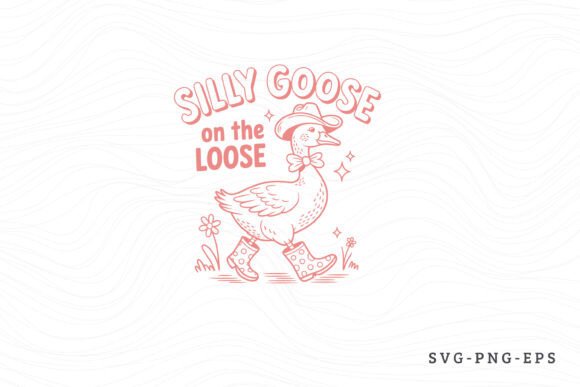
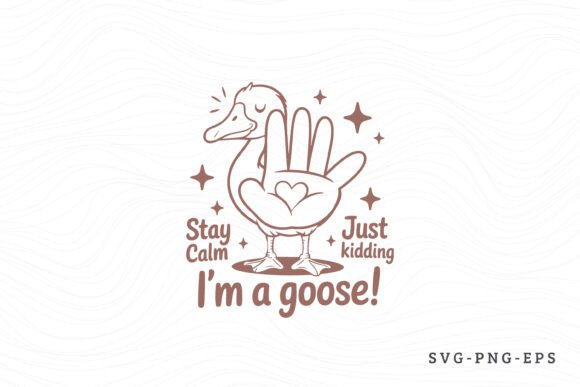
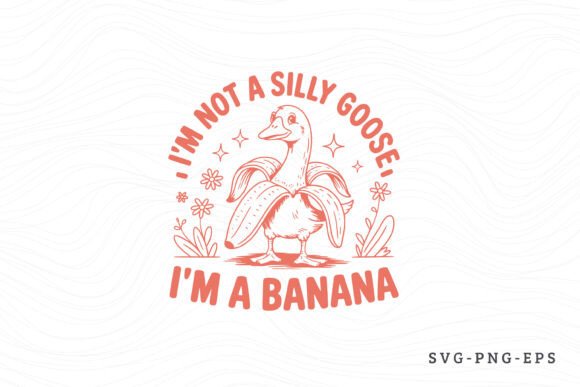
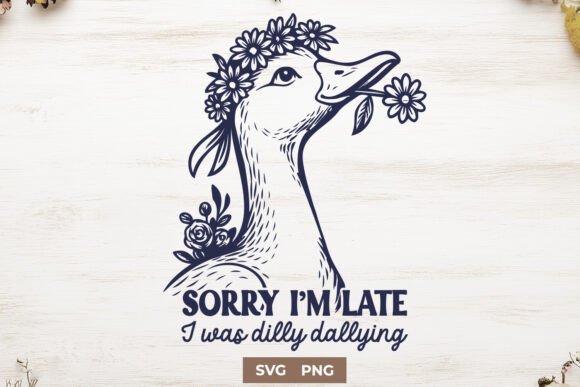
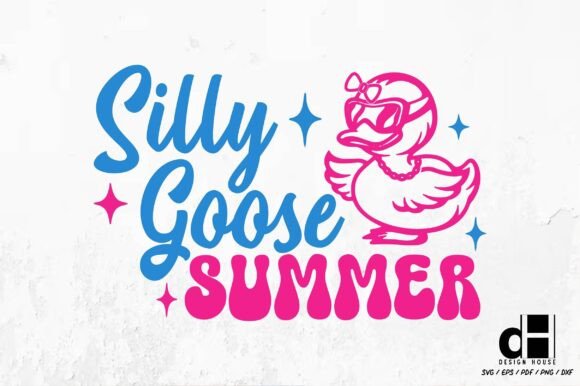
When I opened Summer Silly Goose Funny SVG PNG, my first thought wasn’t “cute” — it was “relatable.” This isn’t a stiff, over-polished vector meant for corporate branding. It’s got wobbly lines, exaggerated features, and that unmistakable hand-drawn energy you see in kids’ doodles or vintage summer postcards. The goose wears sunglasses, one wing’s raised like it’s mid-joke, and the whole thing leans slightly — not off-balance, but *alive*. As a designer who’s stitched hundreds of graphics onto totes, baby onesies, and boutique aprons, I immediately pictured it on a linen tea towel for a small shop’s summer launch: cheerful without shouting, funny without trying too hard.
Where It Shines in Real Embroidery Projects
Summer Silly Goose Funny SVG PNG lands best where personality matters more than precision. Think custom embroidered tote bags for a local farmers’ market stall — stitched boldly on natural canvas with contrasting thread (think sunflower yellow on oat linen). It works beautifully on medium-weight cotton sweatshirts, especially when placed off-center on the chest or along the sleeve seam. For baby embroidery? Yes — but skip the onesie neckline; go for the back panel or left chest, where the design’s open shapes won’t crowd delicate seams. I also tested a digital mockup on a denim cap, and while the curve required slight repositioning, the simplified silhouette held up better than denser cartoon designs I’ve tried.
As an Etsy seller, I’d use this as a core design in a “Summer Vibes” bundle — paired with simple suns, watermelons, or flip-flops. Its clean outlines translate well into printable mockups for product listings, and the SVG color file makes quick work of generating social media previews. Because it’s light on fine detail, it scales cleanly from 3” patches to 6” pillow covers without losing charm. It’s not built for photorealism — and that’s its strength. It feels handmade, even before you stitch it.
Where to Pause — and Why
This isn’t a one-size-fits-all embroidery file. On stretchy fabrics like jersey tees or lightweight knits, the open shapes can distort if stabilizer isn’t layered thoughtfully — I recommend cutaway + tear-away combo for anything with movement. Thin fabrics (like voile or gauzy baby blankets) need extra backing to prevent puckering around the goose’s beak and wingtips, where satin stitch likely anchors key curves. Dark fabric? Check contrast early: the design’s playful energy dims if thread blends in. Test black thread on navy twill — it reads, but loses some bounce. Go for lime, tangerine, or white instead.
Curved surfaces (caps, curved pillow edges) demand attention to stitch density. If your machine embroidery design includes tight fill-stitch areas in the goose’s body, reduce density by 10–15% for smoother lay on rounded surfaces. And avoid placing it near seam allowances or hems on structured items like aprons — those corners catch thread and snag stabilizer. Tiny lettering? There isn’t any here — a relief. That means no running-stitch legibility worries on baby embroidery or holiday embroidery gifts.
What It Adds to Your Finished Product — and Your Brand
Used well, Summer Silly Goose Funny SVG PNG lifts perceived value without raising production complexity. Customers notice the joy in it — not just the stitch count. On personalized gifts, it signals warmth and approachability. A boutique owner told me her customers consistently choose items with “that goose” over generic florals — they say it “feels like summer, not stock art.” That trust builds repeat business. For craft business owners, it reinforces brand consistency when used across product types: same goose, different thread colors, same relaxed confidence. It doesn’t scream “commercial embroidery,” but it *earns* commercial use — because it’s distinctive enough to stand out in a crowded Etsy search, yet flexible enough to adapt across Graphics and Crafts categories without feeling forced.
Practical Notes Every Embroidery Designer Should Run Through
- Test first — Always run Summer Silly Goose Funny SVG PNG on scrap fabric matching your final project’s weight and texture. Watch how satin stitch wraps the beak and how fill stitch settles in the belly.
- Check thread color contrast — Especially on dark or textured backgrounds. What reads clearly on screen may disappear under thread tension.
- Confirm hoop size — The design’s width and height matter more than file format. Don’t assume it fits your standard 4x4 hoop without measuring.
- Inspect small details — Even playful designs have anchor points. Are wingtips sharp enough to stitch cleanly at 2.5”? Zoom in on the SVG and PDF files.
- Mock it in black and white — Helps spot unintended visual noise or density imbalances before threading your machine.
- Use proper stabilizer — Medium-weight cutaway for stable fabrics; hybrid for knits. Skipping this turns silliness into sagging.
- Verify licensing — Since this is labeled a “digital embroidery file” from “design house Silly Goose Summer,” confirm whether your intended use — especially selling finished embroidered patches or wholesale tote bags — falls within permitted commercial embroidery terms. When in doubt, contact the seller.
Final Thought: A Design That Works With You
Summer Silly Goose Funny SVG PNG isn’t flashy. It doesn’t promise perfection. But it delivers something rarer in the world of embroidery design: ease with intention. It invites play, supports storytelling, and holds up under real-world stitching conditions — from a home-based craft business prepping for a holiday craft fair to an apparel decorator adding charm to a small-batch sweatshirt line. It reminds me why I love this work: not every design needs to be complex to be memorable. Sometimes, all it takes is a goose, a pair of sunglasses, and the right thread color to make someone smile — and reach for their wallet.